Doha, 2022
Sofas in the Metro

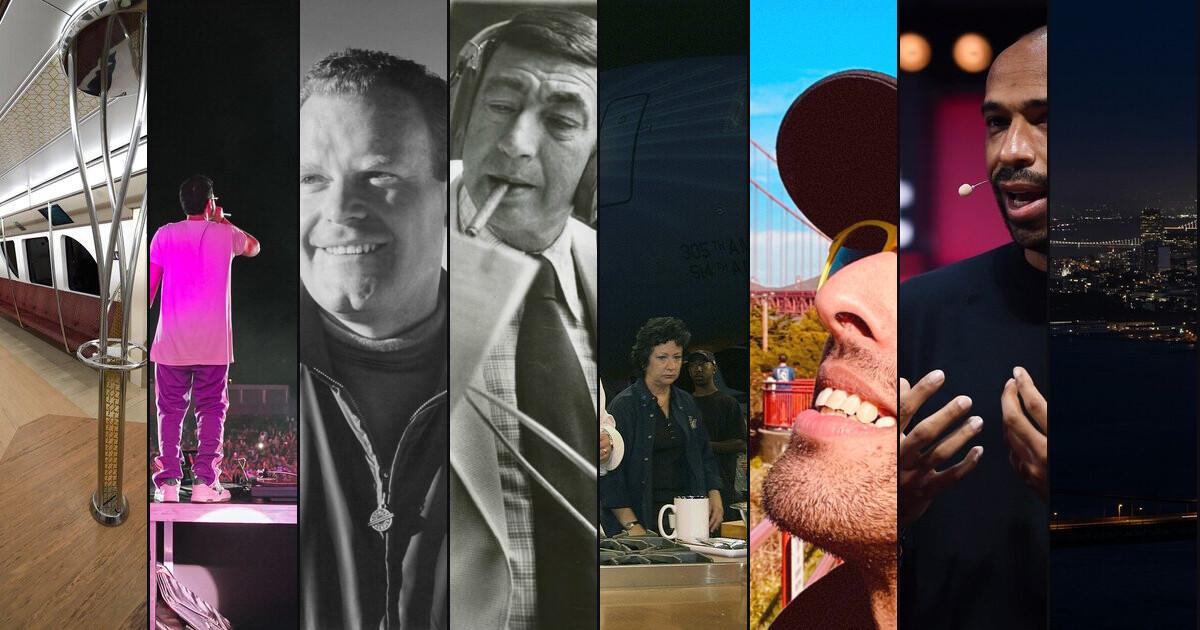
In December 2022, the metro system in Doha had sofas in it. Actual sofas, because the World Cup had compressed the entire tournament into a single city and someone had decided that the experience of moving between stadiums should feel as considered as the stadiums themselves. People were riding back and forth for twenty minutes with nowhere to go, because the metro was cold and the air outside was not, and the whole thing felt less like public transit and more like someone had thought carefully about what it would be like to be a human being inside this event and then designed every surface to match.
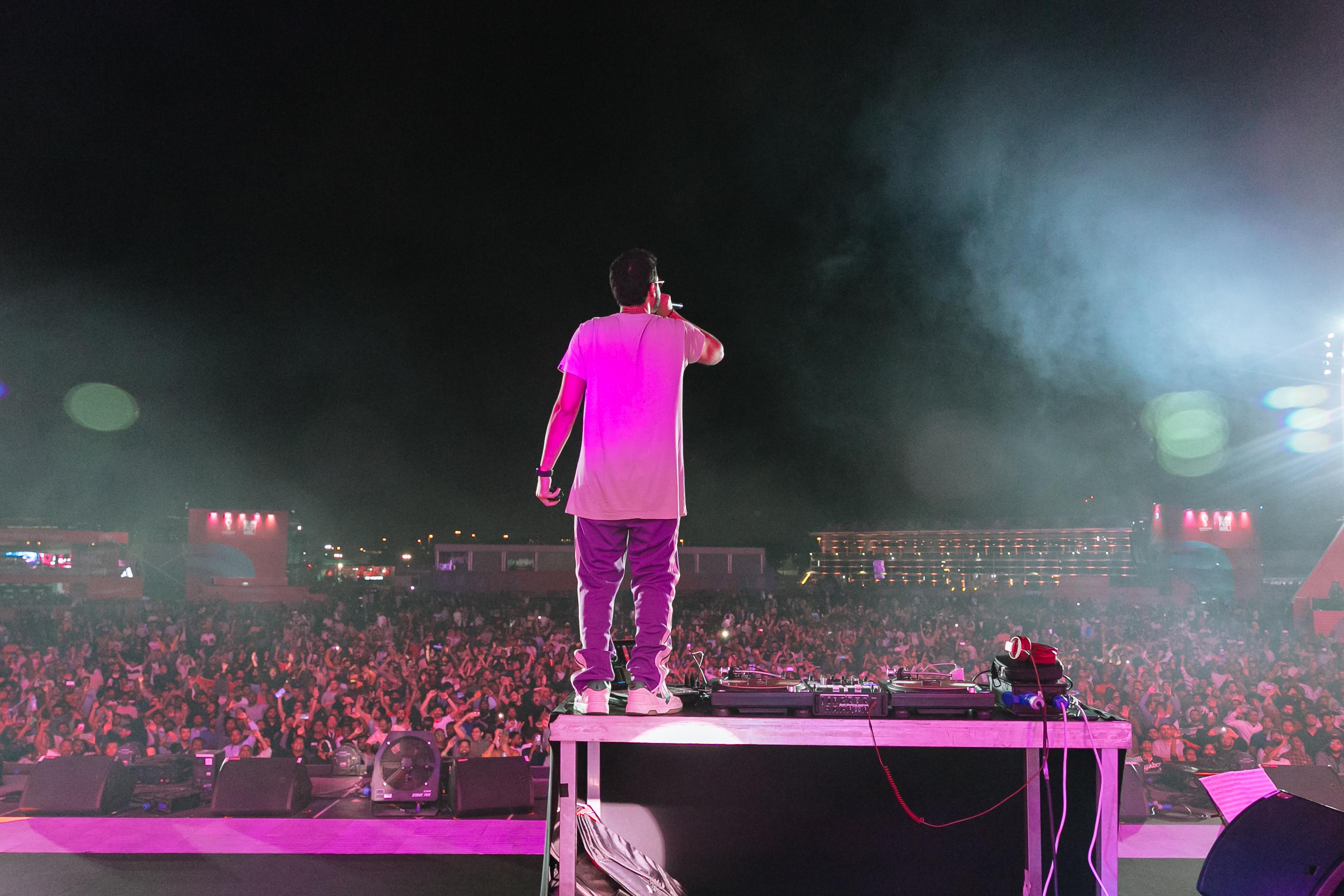
The whole tournament was like that. The fan zones where people from Cameroon and the Netherlands and Korea and Mexico were all in the same space at the same time. The fact that every match was accessible from every hotel without a car or a flight. The quality you could feel even if you couldn’t articulate it, which wasn’t in any single element but in the accumulation of thousands of small decisions, each one reflecting someone’s understanding that the gaps between the football mattered as much as the football itself.
What’s worth paying attention to isn’t the luxury. It’s the underlying principle: the experience surrounding the thing is part of the thing. And that principle, which sounds obvious when you say it out loud, is one that almost every major cultural domain took decades to arrive at, and that one particular domain, the most consequential one, still hasn’t.
Broadcast
Show Business and Sports
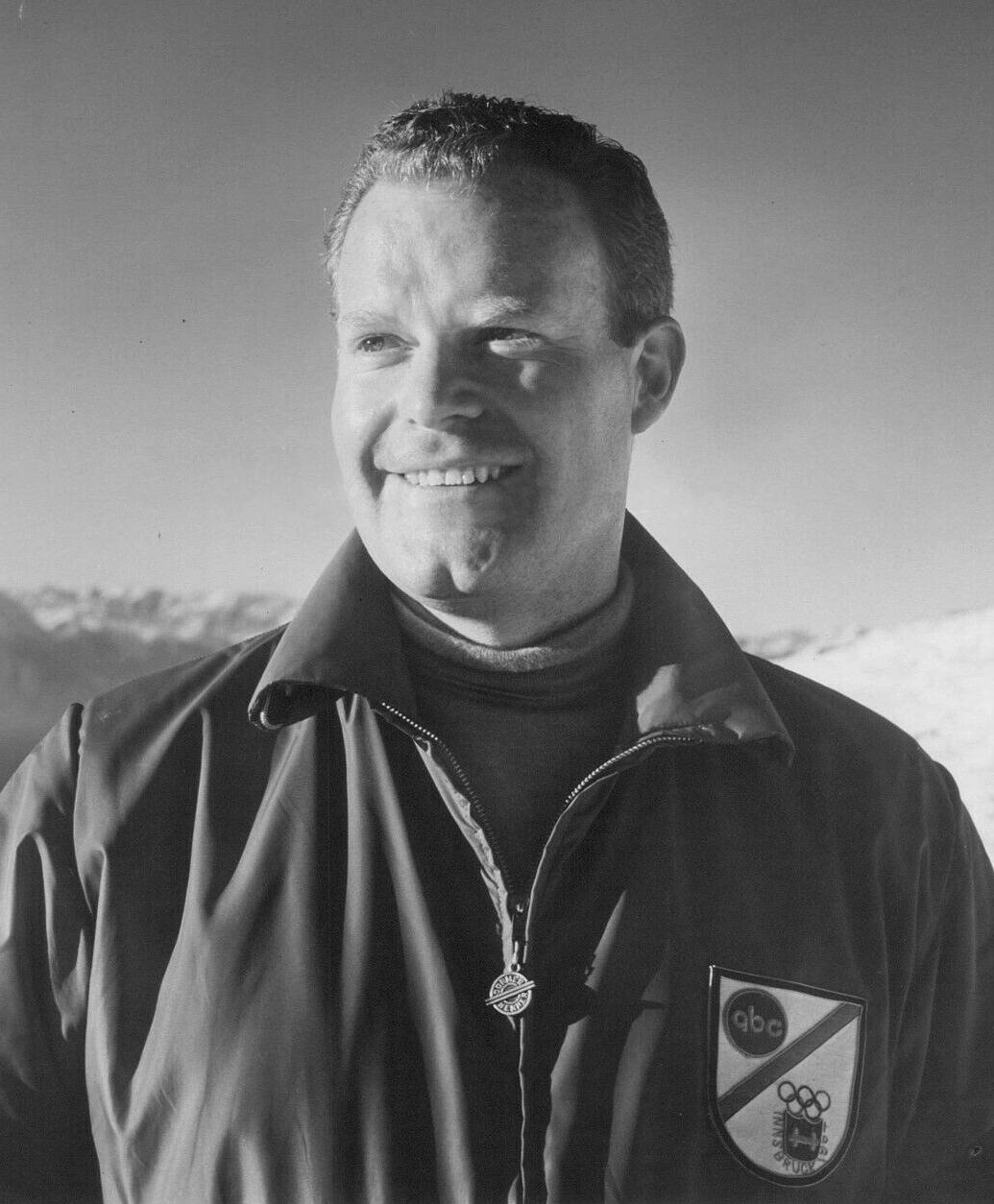
In 1960, a twenty-nine-year-old producer at ABC named Roone Arledge wrote a memo to his bosses that would reshape how America consumed sport. At the time, televised sports were considered too dull for primetime. Football belonged on weekend afternoons. The broadcast was a recording of the game and nothing more, a couple of fixed cameras and a couple of men narrating what the viewer could already see. Arledge’s memo argued for treating the broadcast as entertainment, built around intimacy and stakes: more cameras, closer angles, slow motion, and features that let you meet the athletes so that, by the time the game started, you already cared what happened next. His philosophy was explicit: “WE ARE GOING TO ADD SHOW BUSINESS TO SPORTS!”
A decade later, he created Monday Night Football. The conventional wisdom was that football in primetime would fail because the audience for sport and the audience for evening entertainment were different populations with different habits. Arledge’s bet was that they weren’t different populations at all, that the same people who watched dramas and comedies on weekday evenings would watch football on Monday nights if the football was presented with the same level of production and emotional engagement. “If they didn’t give a damn about the game,” he said, “they might still enjoy the programme.”
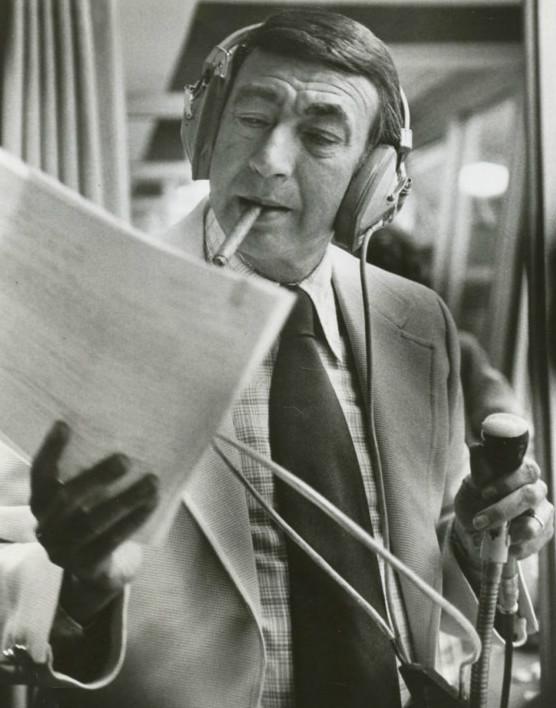
He was right. Monday Night Football changed the habits of the nation. It became one of the most-watched programmes in American television, not because Americans suddenly discovered football, but because Arledge had built a door. The game hadn’t changed. The experience of watching it had.
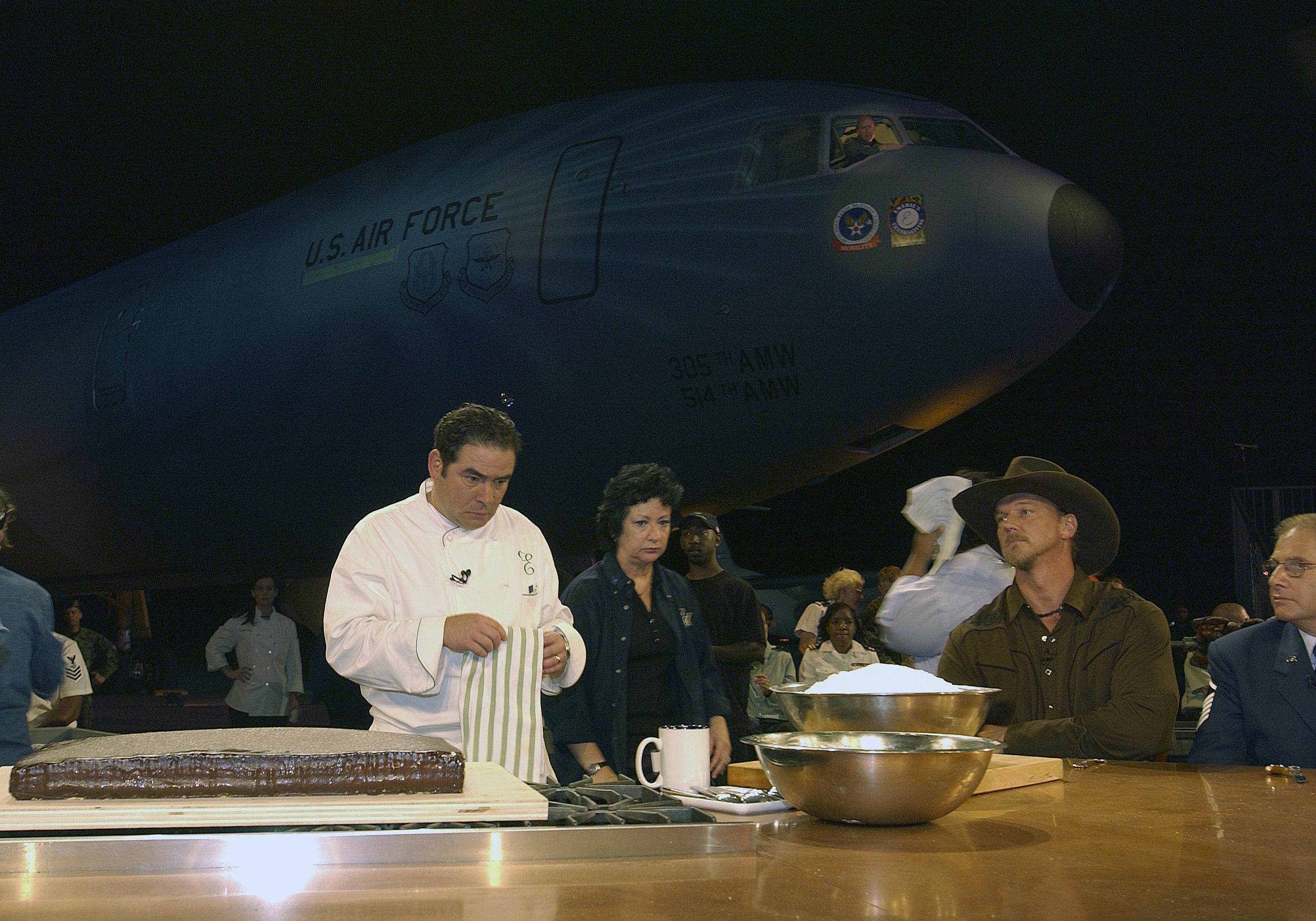
Food went through the same transformation. The Food Network launched in 1993 as an instructional channel and nearly died. Then Emeril Lagasse showed up, and the format shifted from teaching people how to cook to making them feel something while someone else cooked, and the audience exploded. Music did it with MTV. Fashion did it with runway coverage that became a spectacle. Every major cultural domain, at some point in its history, had its Roone Arledge moment, the person who looked at the gap between the quality of the thing itself and the quality of the media surrounding it and decided the gap didn’t have to exist.
Every domain except one.
Entry
Entertainment Is the Door
Entertainment is the door. It’s how most people gain entry to subjects they don’t yet care about.
Nobody becomes a football fan because they read a tactical analysis of the 4-3-3 formation. They become a fan because they watched a match with someone who loved it and the emotion was contagious, or because they stumbled across a clip of a goal that made them feel something they weren’t expecting to feel, or because a show made the sport feel like a world they were welcome in rather than one they needed credentials to enter. Entertainment is the door. It’s how most people gain entry to subjects they don’t yet care about, and once they walk through it, many of them go deep, learn the shape of the game, follow the transfers, read the analyses, become the kind of person who cares about the details. But the door has to exist first.

For technology, it doesn’t. The most consequential industry on earth, the one reshaping how billions of people live and work and think, is still presenting itself through the formats of the last decade. Two people at microphones, usually founders or investors, talking for ninety minutes in a language that assumes you already know what an API is and why the difference between open and closed models matters. Or, from the other side, journalists covering Silicon Valley the way a court reporter covers a trial, the tone uniformly serious, the frame institutional, the implicit message being that technology is something to be monitored rather than something to be excited about.
And the irony underneath this is genuinely strange, because technology is, at its core, one of the most open games on earth. The barrier to entry is a laptop and a connection. It does not matter where you come from, in the same way that it does not matter where a footballer comes from, because both games judge the work and not the person. A kid in Morocco can build something that competes with companies backed by billions of dollars, if what he builds is good enough. But the media surrounding this radically open industry makes it feel like one of the most closed things in the world, and the result is that most people’s relationship with the most transformative force in their daily lives is defined by anxiety and confusion rather than excitement and participation.
The people building the technology of 2035 are using the media of 2005.
The people building the technology of 2035 are using the media of 2005. That phrase belongs to Adil Mania, who is in his late twenties, Moroccan, spent a decade in France, and is now in San Francisco trying to close the gap from the inside. The show is called Silicon Mania. It airs live on Saturday nights. And the bet is the same one Arledge made in 1970: if the presentation is good enough, the audience that doesn’t yet know it cares will show up.
Stadium
The Sound Inside the Stadium

The World Cup in Qatar is relevant here because Adil was in the stadium.
He’d gone for Morocco, who hadn’t qualified for a World Cup since 1998, who’d been irrelevant in international football for most of his conscious life, and who were about to do something nobody outside of Morocco thought was possible. The first match, against Croatia, was a draw, and the stadium at two in the afternoon was hot enough that most people just wanted it to be over. The second match was at night.
Belgium had Kevin De Bruyne and Romelu Lukaku and Eden Hazard and what was supposed to be one of the best squads in the tournament. The stadium was full. The Moroccan supporters were loud in the way supporters are loud when they know they’re not supposed to win but can’t help themselves. And then the free kick came in, and the ball went past Thibaut Courtois, and the sound inside that stadium was the sound of forty thousand people discovering simultaneously that the thing they’d been hoping for and the thing they’d been bracing themselves against were not, after all, the same thing. Morocco was winning. Morocco was actually winning. And the second goal came, and the thing about being in a stadium when something happens that isn’t supposed to happen is that the experience doesn’t feel like watching anymore. It feels like being inside an event that is happening to you personally, as though the outcome of the match and the state of your own nervous system have become the same thing, and the boundary between the spectacle and the spectator has dissolved entirely.
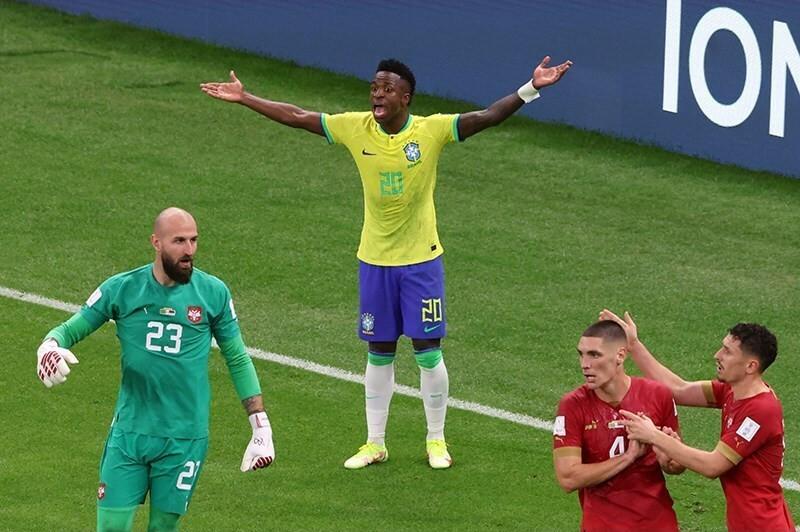
Adil says he’s cried three times over football. The first was in 2004, when he was six years old and Morocco lost the Africa Cup of Nations final to Tunisia, and he didn’t even care about football yet but understood on some level that his country had lost something. The second was that night in Doha. The third was at the Champions League final in Paris later that year, which he’d gotten tickets to through a UEFA lottery and nearly decided not to attend because he was waiting to see if Real Madrid would survive their semifinal against Manchester City. Madrid survived, in the way they tend to survive, by going down and then producing two goals in the final minutes that made the laws of probability feel like suggestions. He went to the final. Vinicius Jr scored.
The reason these stories matter is that the energy doesn’t change. The voice that describes watching Morocco beat Belgium in a stadium in Doha is the same voice that describes what Silicon Mania is supposed to become, and the thing Adil says about penalty kicks applies to both: you should plan a little, you should know which way the goalkeeper tends to go, but at some point you have to actually kick the ball, because the people who build things tend to live in that uncomfortable middle ground where they know just enough to aim but not so much that they never fire. The same person who would fly to Qatar to be in the stadium for a match his country was supposed to lose is the same person who decided, when it came time to book the first guest on a tech show that didn’t have an audience yet, to reach out to (he actually tweeted at him on X) Justin Kan, the co-founder of Twitch. Friends told him to start small, book unknown guests, prove himself first. He reached out to Justin anyway. Justin said yes.
Identity
The Fusion
The thing about media in most industries is that it tends to be made by people who understand the industry or people who understand media, and the result is either substantive and unwatchable or watchable and hollow. Arledge worked because he understood both television and sport. Emeril worked because he understood both cooking and performance. The fusion is the thing, and you can feel it when it’s present and feel its absence when it’s not, even if you can’t name what you’re responding to.
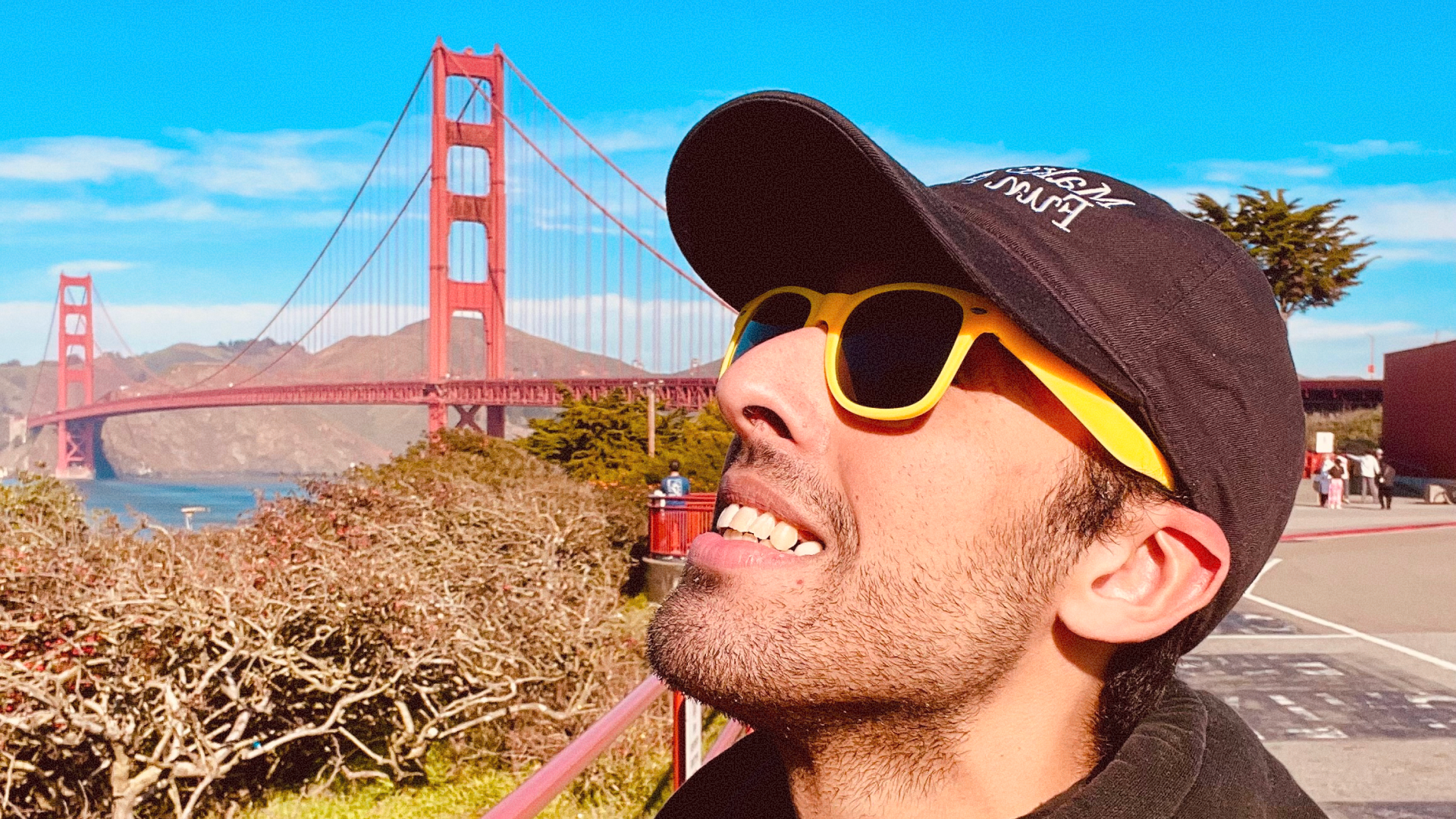
Adil’s background is unusual in a way that matters here. He got his first computer in 2004, in Morocco, and he grew up equally drawn to technology and to media, not sequentially, the way most people in tech media experienced it, but simultaneously. He was the kid who cared about how computers worked and also cared about how shows were made, and the result, two decades later, is someone who can follow a conversation about model architectures and walk out of the room understanding, immediately and instinctively, why that conversation would never work as entertainment for anyone who wasn’t already in it.
In France, between 2020 and 2023, he built a media platform called StartupOKLM, which became one of the largest startup media platforms in the country. It accumulated over twenty million views, went viral multiple times, and generated real revenue. And then he stopped, moved on, and started building something bigger in a bigger market.
Argument
The Production Gap
Here’s the honest counter-argument. Maybe tech doesn’t have its Roone Arledge moment because tech is fundamentally harder to make entertaining than sport. A goal is visual and visceral and requires no explanation. A breakthrough in machine learning is abstract and invisible and requires a great deal of it. Football has built-in drama resolved in real time with consequences that are immediately legible to anyone watching. Technology’s drama is diffuse, spread across months and years, and the moments of genuine breakthrough are often invisible to anyone outside the room where they happened.
This is a real constraint. But I think it’s narrower than it appears, because the argument assumes that the drama in technology is the technology itself, and the lesson from every domain that successfully found its media is that the drama was never the domain. It was the people. Monday Night Football didn’t become a national event because football is inherently more dramatic than other things you could watch on a Monday evening. It became a national event because Arledge understood that what the audience really wanted wasn’t a game but the experience of caring about one, which is a product of storytelling and emotional design, not a property of the sport itself. Technology’s stories have the same emotional architecture as the best sports narratives: uncertainty, persistence, stakes, and a resolution the audience gets to witness. The raw material is there. What’s missing is the production that makes the raw material feel the way it actually feels to the people living it. That’s the gap, and it’s a production gap, not a content gap.
Vision
Saturday Night
The vision for Silicon Mania is worth understanding because it isn’t what the phrase “tech show” brings to mind.
Most people hear “tech entertainment” and picture a slightly livelier version of what already exists, a podcast with better lighting. Adil is thinking about something structurally different. One of his reference points is Nico Omilana’s YouTube channel, one of the largest in the UK, which he describes through the specific experience of being depressed in Paris in December and watching Nico’s videos and feeling genuinely happier afterward, not informed or educated or inspired in the LinkedIn sense, just lighter than he was before he pressed play. What people underestimate about that kind of work, the kind that leaves you in a better state than it found you, is how much harder it is to produce than the substantive kind. Making people think is difficult. Making people feel is a different order of difficulty entirely, and the fact that tech media has ten thousand shows that make you think and almost none that make you feel is not because feeling is less important. It’s because the skill required to produce it, the fusion of technical fluency and media instinct and emotional intelligence, is genuinely rare. Arledge had it. Emeril had it. The CBS Champions League panel has it, that specific chemistry between Thierry Henry, Jamie Carragher, Micah Richards, and Kate Abdo where you stay not for the analysis but because it feels like you’re sitting with people who genuinely like each other. Finding that combination in someone who also understands technology deeply enough to be credible inside the bubble while being entertaining enough to reach outside it is the hard part, and it’s the part that, if it’s solved, solves everything else.
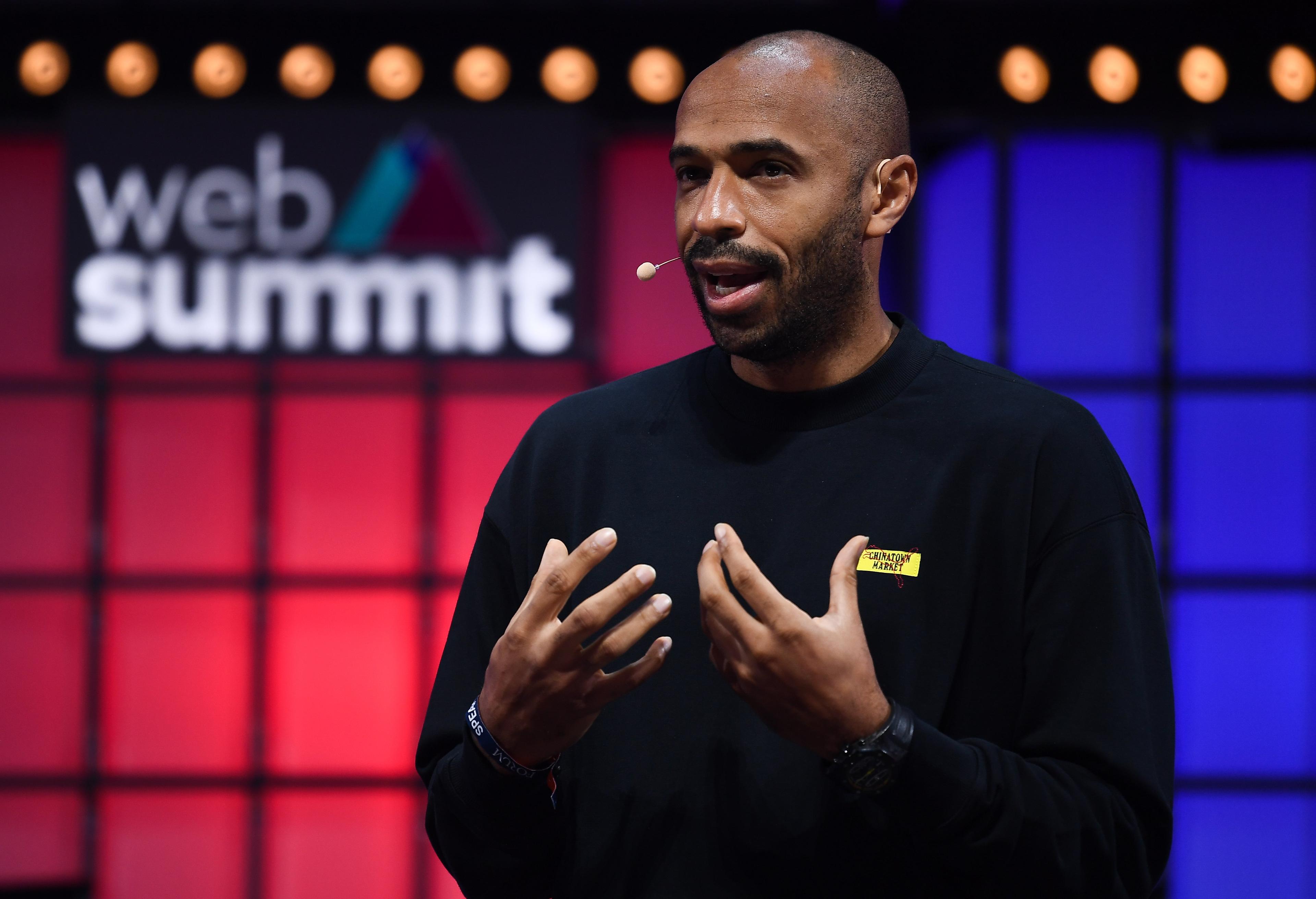

The structural ambition goes beyond a single show. The model isn’t a programme, it’s a channel. Multiple formats, each airing on a different day, each covering a different angle of the tech world, unified by a shared identity and a shared standard of production. The Saturday night show is the starting point.
Closing
The Room Is Built
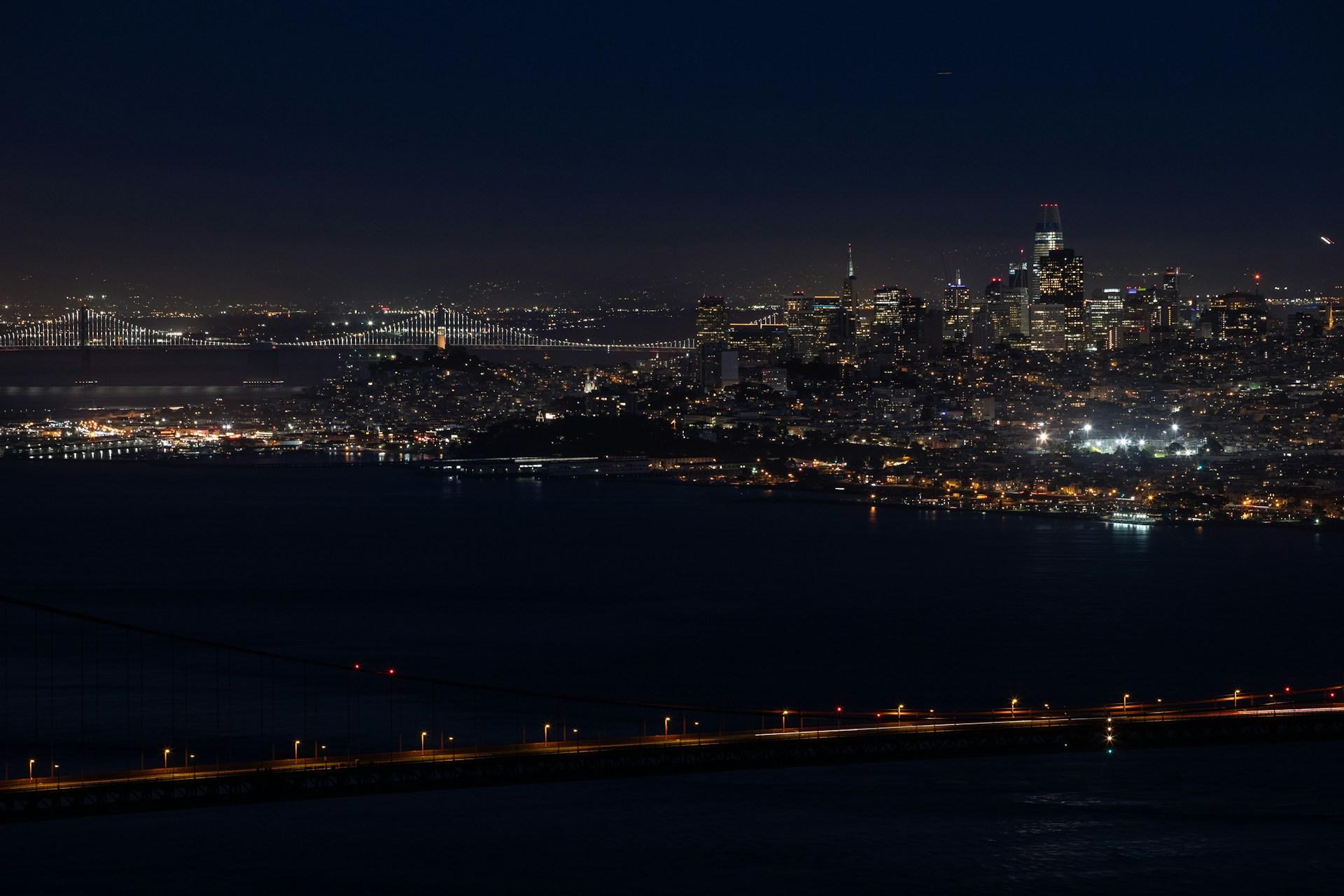
The gap between that vision and the current reality is real and honest, and the history of media is the history of people who looked at an empty room and saw the room full.
Arledge looked at primetime television in 1970 and saw football where nobody else did. The Food Network’s leadership looked at cooking in 1996 and saw entertainment where everyone else saw instruction. Every one of these moments, the moments that created the media formats millions of people now take for granted, looked unreasonable from the outside before they looked inevitable from the inside.
He built a twenty-million-view media platform in France and then walked away to build something bigger. He flew to Qatar to watch his country play a match they were supposed to lose and watched them win. He applied for Champions League final tickets through a lottery because the worst thing that could happen was they’d say no. The pattern across all of it points in the same direction, which is toward someone who doesn’t spend a lot of time calculating whether something is realistic before deciding to do it.
The show airs live on Saturday nights, on X, YouTube, and Twitch. The first sponsors are locked. The first guests are booked. And somewhere in San Francisco, in a city full of people building the technology that will reshape the next decade, one of them is building something else entirely, which is a reason for anyone who isn’t already inside the bubble to actually care about what’s happening in it.
The room is built, the lights are on, and it’s Saturday.
The last time someone tried to add show business to an industry that thought it was too serious for entertainment, it changed how a country spent its Monday nights. Tech hasn’t had that moment yet. But the room is built, the lights are on, and it’s Saturday.