sref-NVBHGP
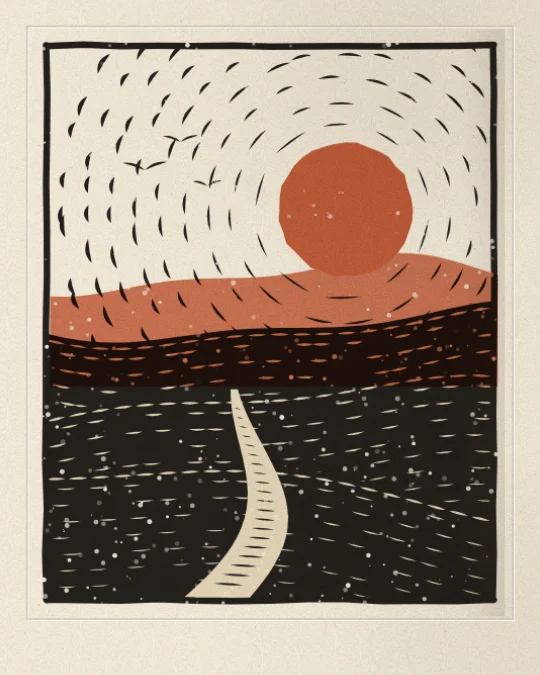
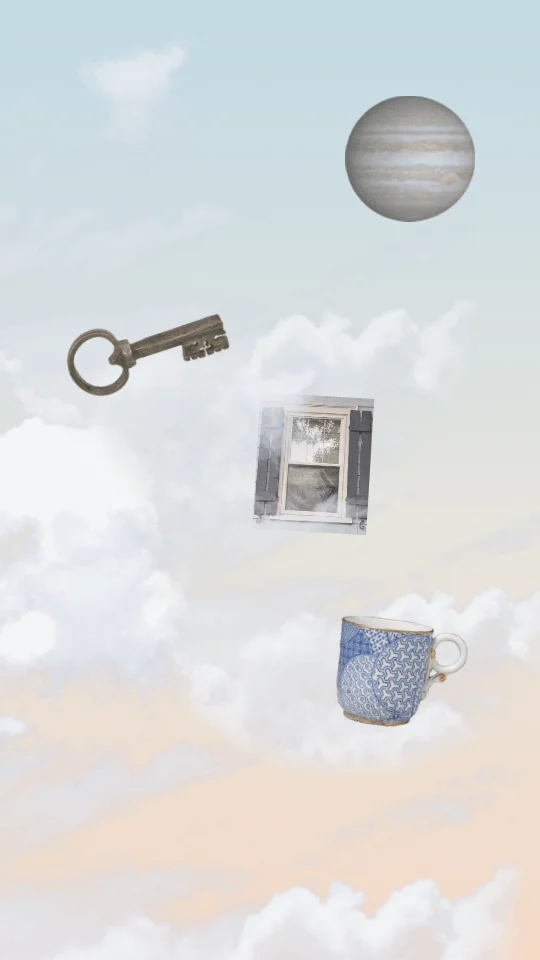
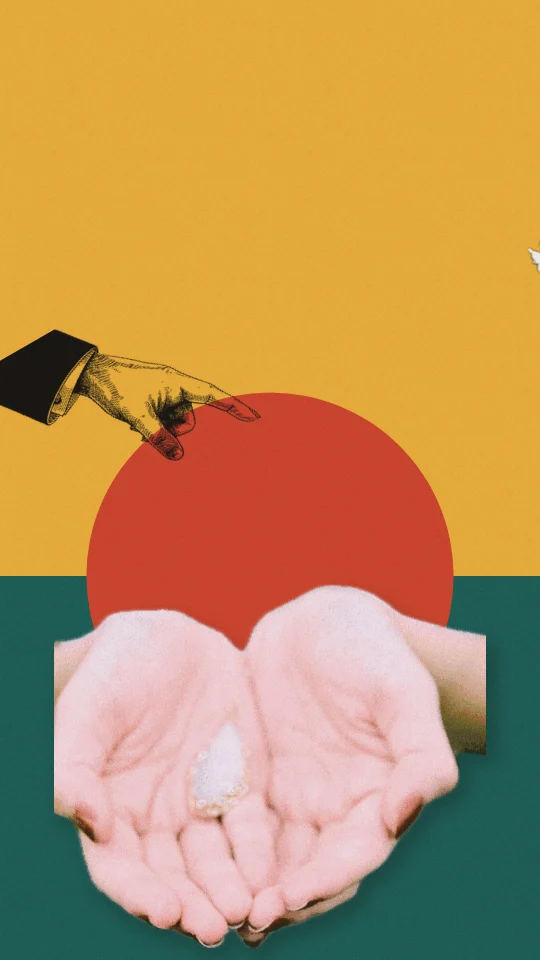
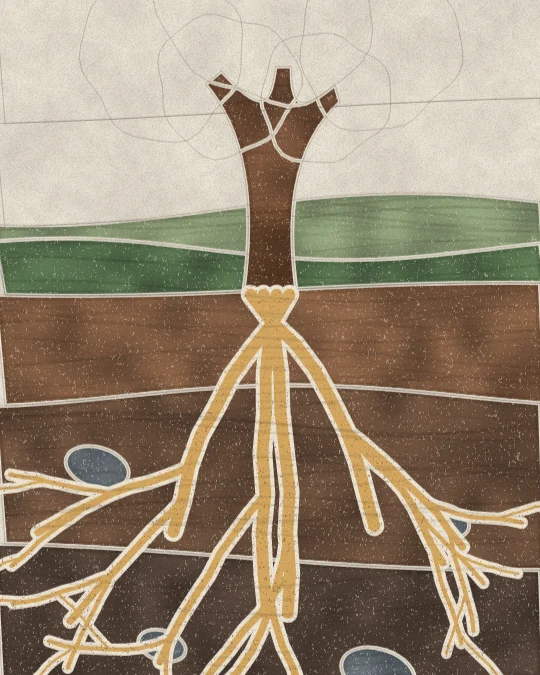
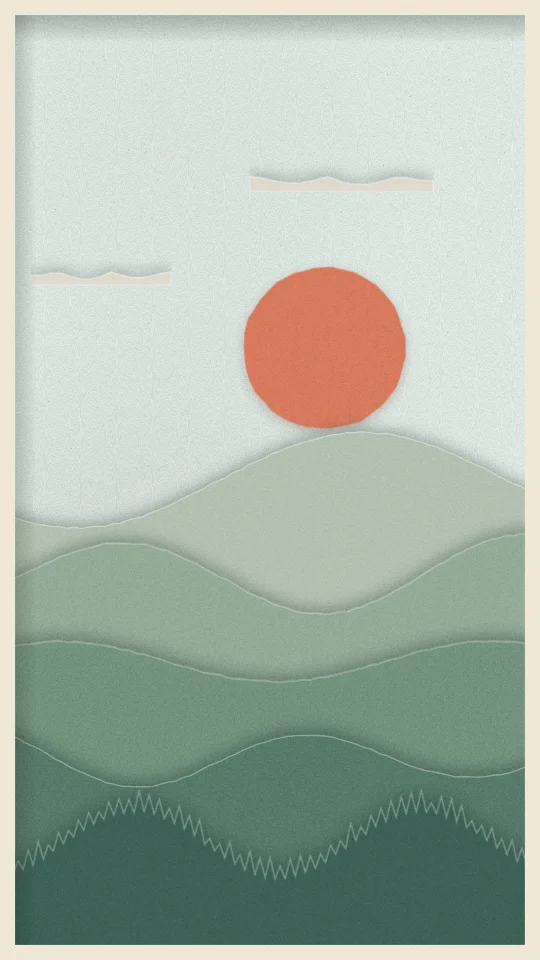
Layers of hand-cut coloured paper stacked in a shadow box, each one casting a soft shadow on the next.
Paper & cut · Calm
Preview is 4:5. Pick a shape to put it in the prompt; otherwise your AI asks you.
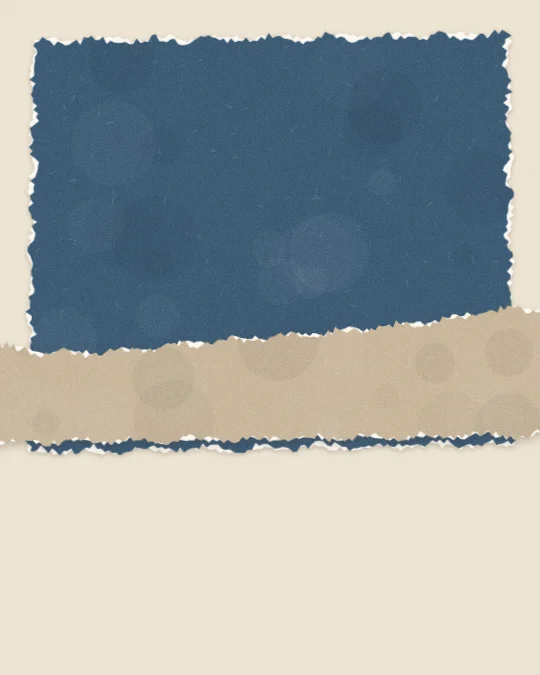
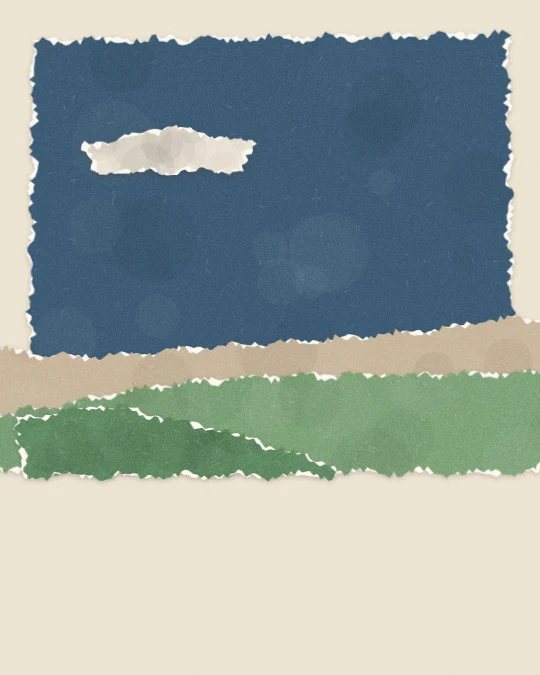
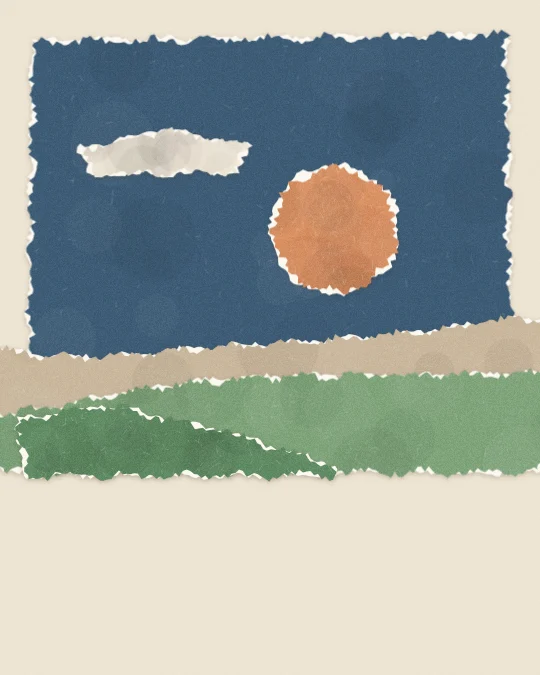
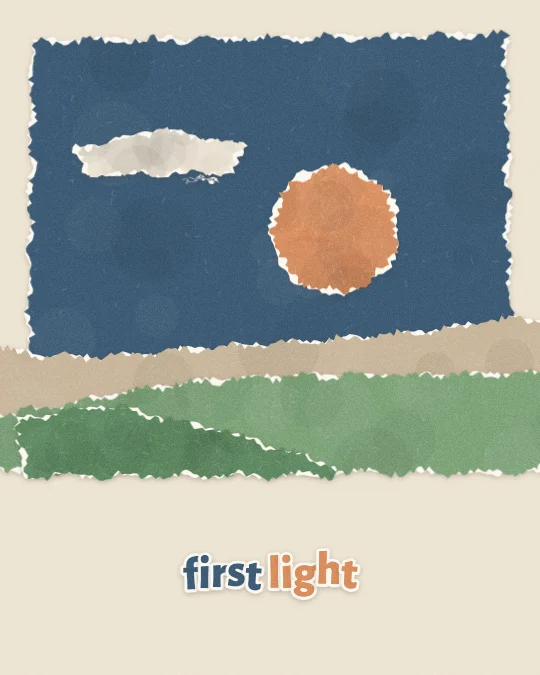
Soft pictures built from hand-torn coloured paper, white fibre showing at every edge.
Tell most of the clip as slow full-frame torn-paper pictures of the places and feelings in the story, one soft picture per thought, cutting back to the speaker once or twice for the moment that matters most.
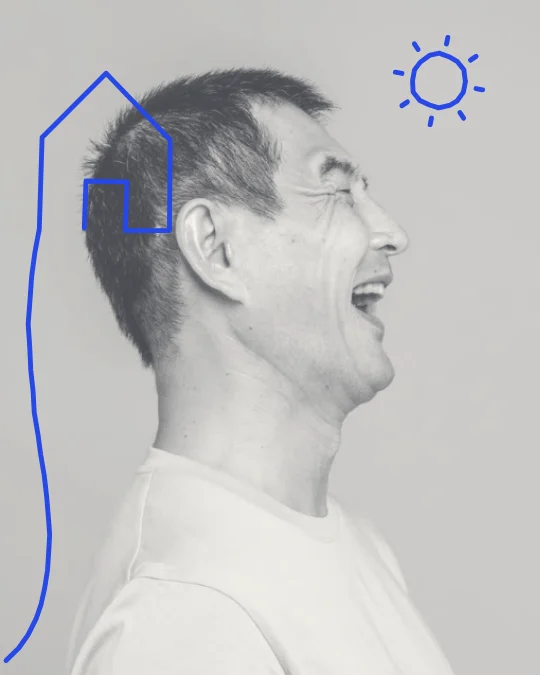
Full scene: the scene fills the frame. Stock speaker from Pexels.
THIS IS A MOODBOARD, NOT A TEMPLATE. The style below is inspiration for the look and feel. Keep its materials, colours, textures and the way it moves, but invent your own scenes, characters and objects for this clip. You are not limited to anything shown in the preview, and nothing in it has to appear. Use illustration and animation to help tell the clip's story.

STORY FIRST. Read the whole clip before you design anything.
1. Write the clip's arc in one line: setup, tension, turn, pay-off. Name the one line that is the reveal.
2. Tag every sentence with its job: setup, context, tension, turn, reveal, example, number, contrast, list, quote, feeling, metaphor, callback, pay-off, aside.
3. The visuals carry the whole clip. If the clip shows the speaker's face, open on them (the first scene keeps them on screen) unless the person says otherwise. After that, never cut back to the speaker full-frame unless the person asks for it; if they do, only on the ending, never in the middle of an explanation. The speaker can still sit inside a scene (a corner, a split or drawn in) when the person wants to be seen.
4. Build one flowing visual story, not a new picture per sentence. Each scene covers a whole thought (one to three sentences), holds 3 to 8 seconds and turns into the next.
5. Start each scene on the first word of its sentence, or up to half a second before. Never cut mid-sentence.
6. Inside a scene, bring small details in on the words they show (an item, a tag, a tick). Earlier details stay.
7. Choose one or two recurring objects or characters in the first scene and bring them back changed. Callbacks beat new pictures.
8. Build up the same picture where you can (add to it, move the camera across it) instead of replacing it.
9. Energy: about 80 percent still, drifting or gentle. Allow one big move in the whole clip, on the reveal, for 1 to 2 seconds, then settle and hold.
10. Numbers sit on a scale (gauge, bar, table, timeline) and hold long enough to read. Contrasts are a still split or the same layout twice.
11. Feelings get a quiet image, or one of the cuts back to the speaker; never effects.
12. On-screen text names, labels or quotes; it never repeats the caption. Five words or fewer per label.
13. End every scene by settling or thinning out, or by turning into the next scene. No exit effects.
14. The style sets the look. These rules set when, how long and how calmly. If the style's own motion rules ask for more energy than this, use less.

VISUAL STYLE: Torn paper mosaic
Slice style ref: sref-H9YVB5
LOOK: soft pictures made only of hand-torn coloured paper, like chigiri-e. Ground #EDE4D3 cream paper. Pieces in #3E5C76 dusk blue, #7FA37A sage (and one deeper sage), #C9B79C oat, with #D98E5F terracotta as the warm accent.
LINE AND FILL: no outlines at all. Every shape is a flat torn piece; where paper tears, a ragged white fibre edge (#FBF8F1) shows around it. Shapes are simple and soft, never geometric.
TEXTURE: visible paper fibre and gentle mottling in each piece, faint grain over the whole frame.
LIGHT: flat, soft daylight. Each piece casts a small soft shadow, bigger while it is held above the page.
CAMERA: locked top-down on the page, no moves.
MOTION: on twos (12 fps). Pieces arrive by hand: they drop in from just above, slightly rotated, and settle. Settled pieces only breathe a pixel or two. One slow rise or slide per clip is the peak.
TYPE: chunky rounded sans letters that look torn, each with a white fibre rim, slightly uneven baseline and rotation, placed one by one.
THE RULE: everything is torn paper laid on paper; if it could not be torn by hand, it does not belong.
DON'T: no outlines, no gradients, no clean scissor cuts, no photos, no fast motion or bounces.
Treat these as the look, never a template: invent fresh pictures, words and compositions from what this clip says.
Accent: as in the palette.
Frame shape: ask me before you start (9:16 vertical, 4:5 portrait, 1:1 square or 16:9 wide).
Energy: normal.

TECH: one HTML file, one GSAP 3 timeline created paused as window.__timelines.main, duration = the scene's length, transforms and opacity only.
For AIs: this style as plain text.
Need the clip first? Shorts by Slice cuts your long episode into captioned clips. Then give one this look.
Try Shorts by SliceShorts by Slice cuts your long episode into captioned clips. With Slice connected, your AI can then build scenes for a clip in Torn paper mosaic.
Shorts by Slice
From the team behind these free tools
One video. A week of posts.
Upload an episode and get back the moments worth posting, cut and captioned.