sref-7HR5K8
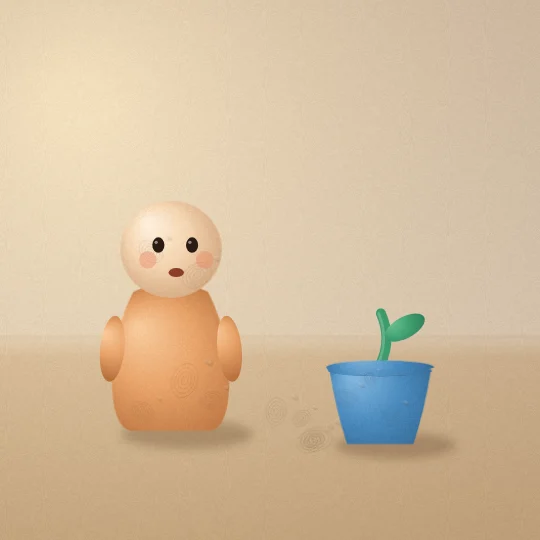
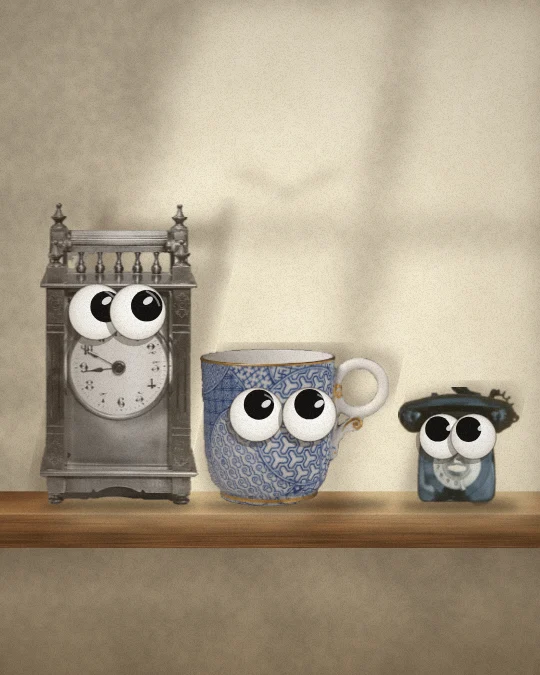
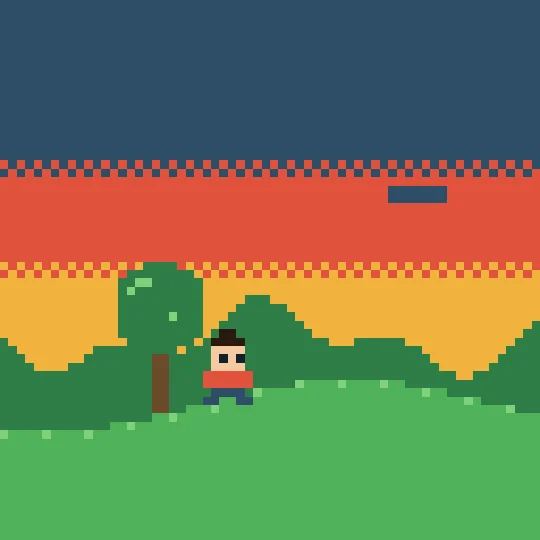
A tiny low-resolution world in a handful of colours, dithered skies and stepped, chunky motion.
Cartoon & character · Calm
Preview is 4:5. Pick a shape to put it in the prompt; otherwise your AI asks you.
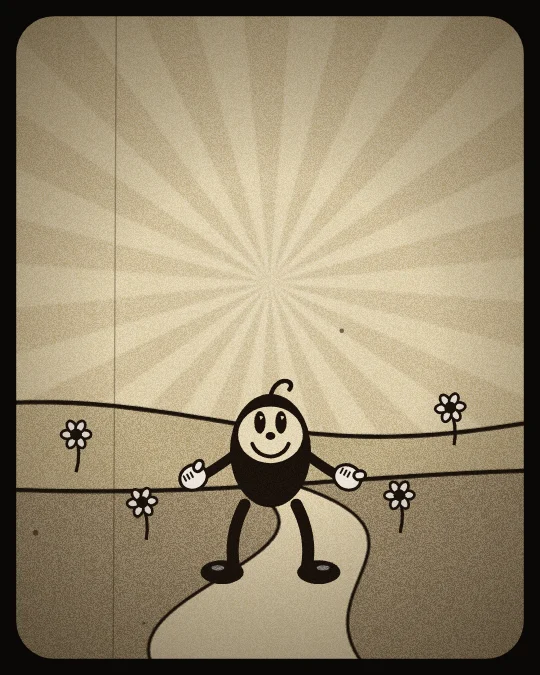
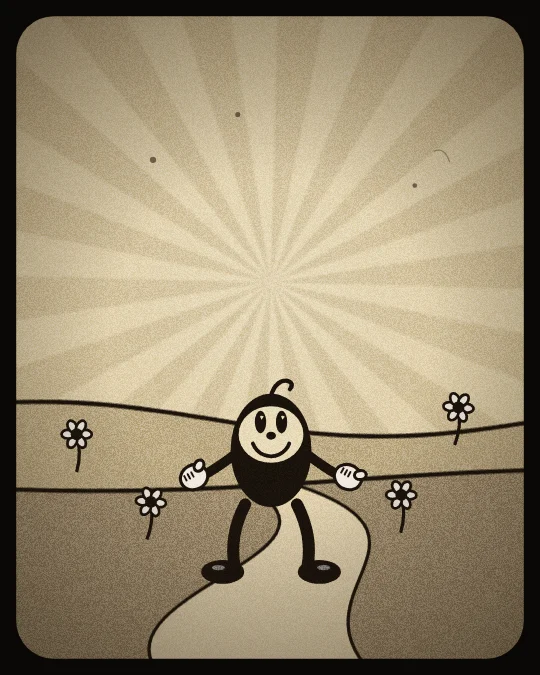
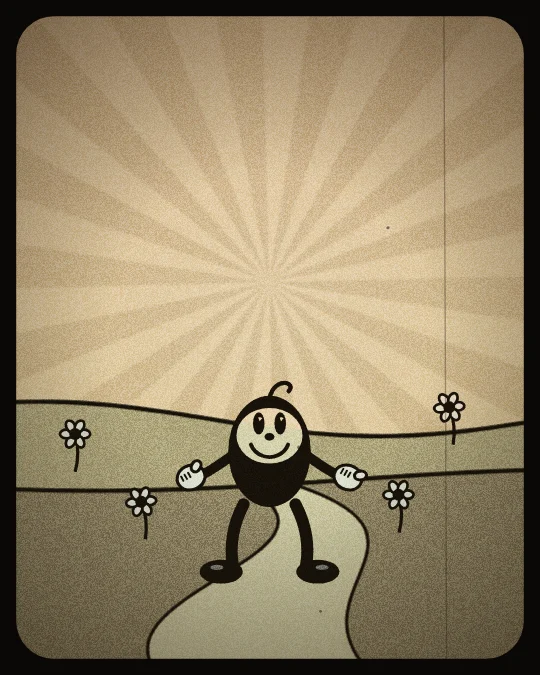
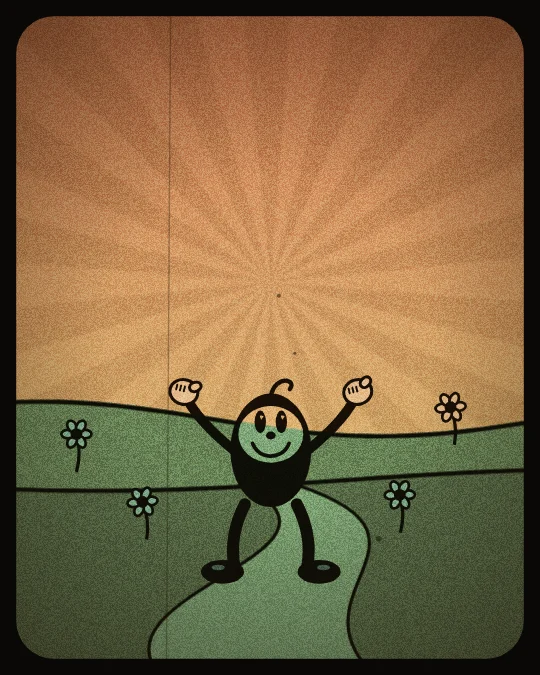
a scratchy early-cartoon film loop: noodle limbs, pie eyes, then a flush of two-strip colour.
Play most of the clip as an early-cartoon reel that escalates the joke beat by beat to one big happy flush of colour, cutting back to the speaker once or twice for the set-up and the laugh.
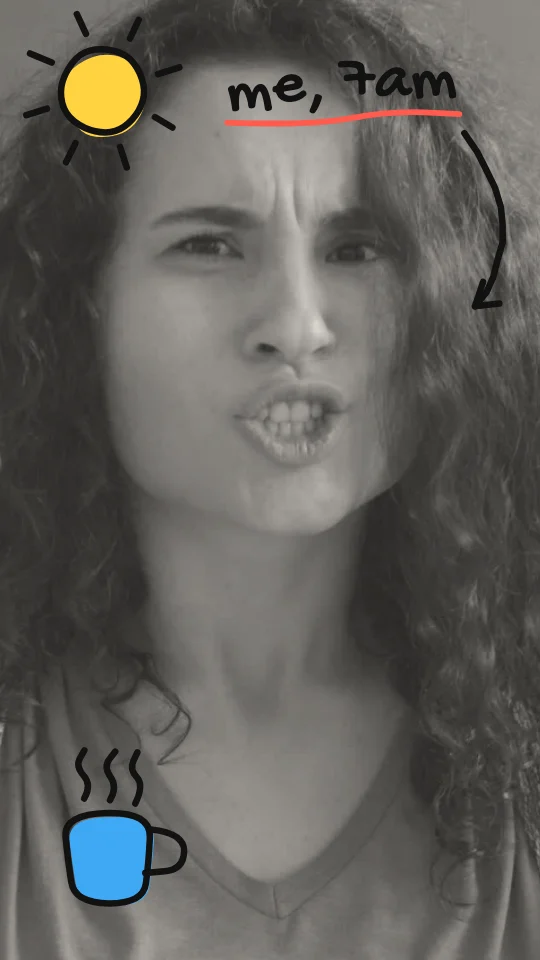
Full scene: the scene fills the frame. Stock speaker from Pexels.
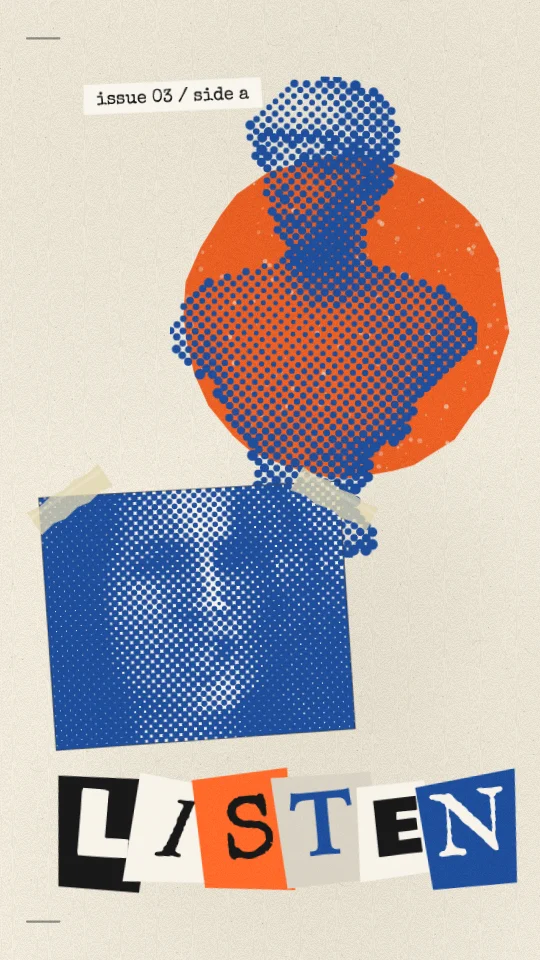
THIS IS A MOODBOARD, NOT A TEMPLATE. The style below is inspiration for the look and feel. Keep its materials, colours, textures and the way it moves, but invent your own scenes, characters and objects for this clip. You are not limited to anything shown in the preview, and nothing in it has to appear. Use illustration and animation to help tell the clip's story.

STORY FIRST. Read the whole clip before you design anything.
1. Write the clip's arc in one line: setup, tension, turn, pay-off. Name the one line that is the reveal.
2. Tag every sentence with its job: setup, context, tension, turn, reveal, example, number, contrast, list, quote, feeling, metaphor, callback, pay-off, aside.
3. The visuals carry the whole clip. If the clip shows the speaker's face, open on them (the first scene keeps them on screen) unless the person says otherwise. After that, never cut back to the speaker full-frame unless the person asks for it; if they do, only on the ending, never in the middle of an explanation. The speaker can still sit inside a scene (a corner, a split or drawn in) when the person wants to be seen.
4. Build one flowing visual story, not a new picture per sentence. Each scene covers a whole thought (one to three sentences), holds 3 to 8 seconds and turns into the next.
5. Start each scene on the first word of its sentence, or up to half a second before. Never cut mid-sentence.
6. Inside a scene, bring small details in on the words they show (an item, a tag, a tick). Earlier details stay.
7. Choose one or two recurring objects or characters in the first scene and bring them back changed. Callbacks beat new pictures.
8. Build up the same picture where you can (add to it, move the camera across it) instead of replacing it.
9. Energy: about 80 percent still, drifting or gentle. Allow one big move in the whole clip, on the reveal, for 1 to 2 seconds, then settle and hold.
10. Numbers sit on a scale (gauge, bar, table, timeline) and hold long enough to read. Contrasts are a still split or the same layout twice.
11. Feelings get a quiet image, or one of the cuts back to the speaker; never effects.
12. On-screen text names, labels or quotes; it never repeats the caption. Five words or fewer per label.
13. End every scene by settling or thinning out, or by turning into the next scene. No exit effects.
14. The style sets the look. These rules set when, how long and how calmly. If the style's own motion rules ask for more energy than this, use less.

VISUAL STYLE: Rubber-hose reel
Slice style ref: sref-AJR3MX
An early-cartoon film reel in the rubber-hose manner. Ground: warm cream paper (#ECDDB8 to #DCC99C) with faint radiating rays that turn slowly; backgrounds painted in two flat warm greys (#C7B48C, #A89574) with a firm ink outline. Character: a generic invented figure, solid ink black (#1A130C) body, cream face patch, pie-cut eyes, white four-finger gloves, big round shoes, limbs as smooth bendy hoses with no elbows or knees. Line: thick, even ink outlines, round caps. Texture: heavy boiling film grain, frame flicker, the odd vertical scratch and dust hair, gate weave of a pixel or two, a strong warm vignette and rounded film-gate corners. Motion: animated on twos (12 drawings a second); everything bounces to one shared beat, flowers nod with squash and stretch, the walk is a loose cycle; one hop with stretch up and squash on landing is the peak, and only then a flush of two-strip colour (coral #E9967A sky, sea-green #8CC2A6 ground) multiplies in and drains away. Open and close on an iris. The one rule: it must feel like a found reel of an early cartoon, never a modern vector. DON'T: any famous studio character or mouse ears, clean vector gradients, full modern colour, smooth 60fps easing, camera shake.
Accent: as in the palette.
Frame shape: ask me before you start (9:16 vertical, 4:5 portrait, 1:1 square or 16:9 wide).
Energy: normal.

TECH: one HTML file, one GSAP 3 timeline created paused as window.__timelines.main, duration = the scene's length, transforms and opacity only.
For AIs: this style as plain text.
Need the clip first? Shorts by Slice cuts your long episode into captioned clips. Then give one this look.
Try Shorts by SliceShorts by Slice cuts your long episode into captioned clips. With Slice connected, your AI can then build scenes for a clip in Rubber-hose reel.
Shorts by Slice
From the team behind these free tools
One video. A week of posts.
Upload an episode and get back the moments worth posting, cut and captioned.