sref-D34GDR
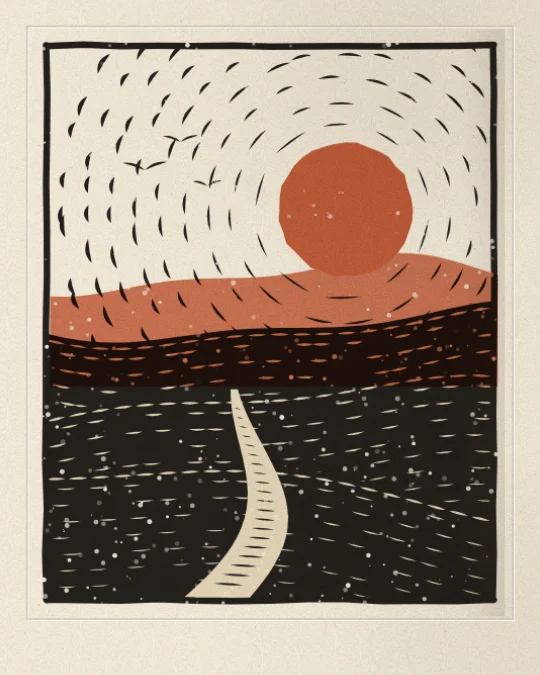
Cut-out hands reaching in from the edges to point at, hold and pass real objects over flat colour.
Collage & photo · Calm
Preview is 4:5. Pick a shape to put it in the prompt; otherwise your AI asks you.
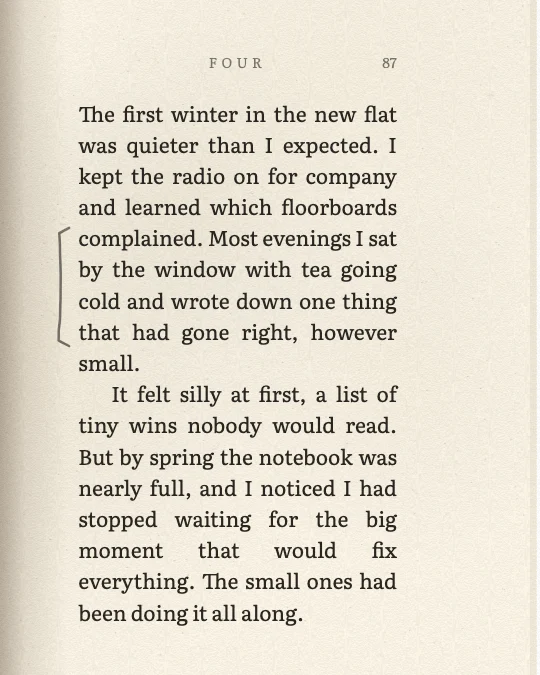
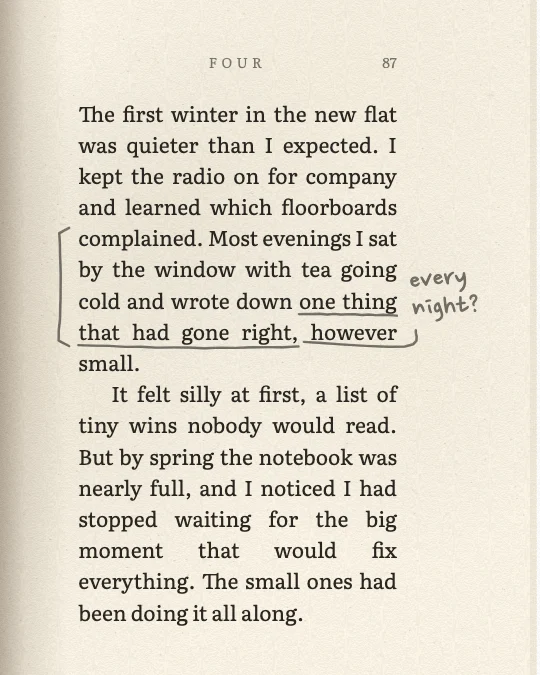
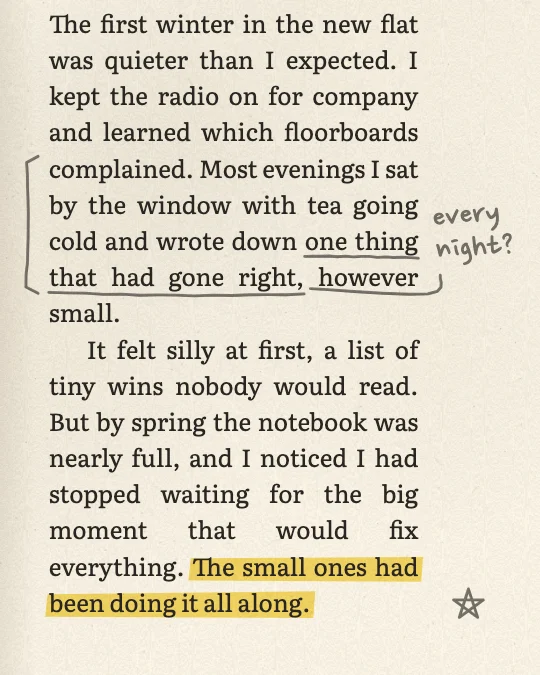
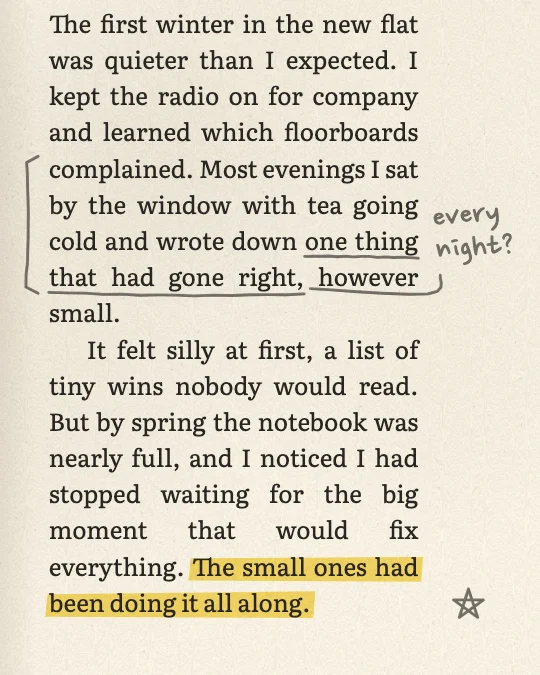
A close-up of a real book page being read: pencil brackets, a note in the margin, one highlighter stroke.
Read a real page through most of the clip, bracketing and noting the lines as they are said, highlighting the one to keep, cutting back to the speaker once or twice for the takeaway.
Drawn over: marks and type drawn over the full speaker. Stock speaker from Pexels.
THIS IS A MOODBOARD, NOT A TEMPLATE. The style below is inspiration for the look and feel. Keep its materials, colours, textures and the way it moves, but invent your own scenes, characters and objects for this clip. You are not limited to anything shown in the preview, and nothing in it has to appear. Use illustration and animation to help tell the clip's story.

STORY FIRST. Read the whole clip before you design anything.
1. Write the clip's arc in one line: setup, tension, turn, pay-off. Name the one line that is the reveal.
2. Tag every sentence with its job: setup, context, tension, turn, reveal, example, number, contrast, list, quote, feeling, metaphor, callback, pay-off, aside.
3. The visuals carry the whole clip. If the clip shows the speaker's face, open on them (the first scene keeps them on screen) unless the person says otherwise. After that, never cut back to the speaker full-frame unless the person asks for it; if they do, only on the ending, never in the middle of an explanation. The speaker can still sit inside a scene (a corner, a split or drawn in) when the person wants to be seen.
4. Build one flowing visual story, not a new picture per sentence. Each scene covers a whole thought (one to three sentences), holds 3 to 8 seconds and turns into the next.
5. Start each scene on the first word of its sentence, or up to half a second before. Never cut mid-sentence.
6. Inside a scene, bring small details in on the words they show (an item, a tag, a tick). Earlier details stay.
7. Choose one or two recurring objects or characters in the first scene and bring them back changed. Callbacks beat new pictures.
8. Build up the same picture where you can (add to it, move the camera across it) instead of replacing it.
9. Energy: about 80 percent still, drifting or gentle. Allow one big move in the whole clip, on the reveal, for 1 to 2 seconds, then settle and hold.
10. Numbers sit on a scale (gauge, bar, table, timeline) and hold long enough to read. Contrasts are a still split or the same layout twice.
11. Feelings get a quiet image, or one of the cuts back to the speaker; never effects.
12. On-screen text names, labels or quotes; it never repeats the caption. Five words or fewer per label.
13. End every scene by settling or thinning out, or by turning into the next scene. No exit effects.
14. The style sets the look. These rules set when, how long and how calmly. If the style's own motion rules ask for more energy than this, use less.

VISUAL STYLE: Pencil in the margins
Slice style ref: sref-SZ9SMX
LOOK: a close-up of a real printed book page #F7F1E2 with a soft gutter shadow on the binding side, a spaced running head and a page number. Justified body text in a warm, bookish serif, ink #2A2622. Marks made by a reader: soft graphite pencil #5B5750 and one yellow highlighter #F5D547 that multiplies into the ink.
LINE AND FILL: pencil lines are thin, slightly doubled and wobbly: brackets beside a passage, underlines that wander a little, small arrows, a star. The highlighter is a flat band with squared, uneven ends that overshoots the words a touch.
TEXTURE: paper grain and fibres, the faint stacked edges of the pages, slightly soft letterpress ink.
LIGHT: soft daylight, the gutter falling into shadow.
CAMERA: locked on the page with a tiny drift; one slow lean in to the line that matters, then a slow lean back.
MOTION: pencil marks draw on at writing speed and stay; margin notes write on word by word; the highlighter sweeps once, left to right, line by line. Nothing else moves.
TYPE: the page text itself, plus handwritten pencil notes in the margin in lowercase, two or three words.
THE RULE: it must read as a real page someone is reading, never as a quote card; only one highlighted passage.
DON'T: no centred quote layouts, no big display type, no colour beyond the one highlighter, no typed annotations, no purple.
Treat these as the look, never a template: invent fresh pictures, words and compositions from what this clip says.
Accent: as in the palette.
Frame shape: ask me before you start (9:16 vertical, 4:5 portrait, 1:1 square or 16:9 wide).
Energy: normal.

TECH: one HTML file, one GSAP 3 timeline created paused as window.__timelines.main, duration = the scene's length, transforms and opacity only.
For AIs: this style as plain text.
Need the clip first? Shorts by Slice cuts your long episode into captioned clips. Then give one this look.
Try Shorts by SliceShorts by Slice cuts your long episode into captioned clips. With Slice connected, your AI can then build scenes for a clip in Pencil in the margins.
Shorts by Slice
From the team behind these free tools
One video. A week of posts.
Upload an episode and get back the moments worth posting, cut and captioned.