sref-JDP38S
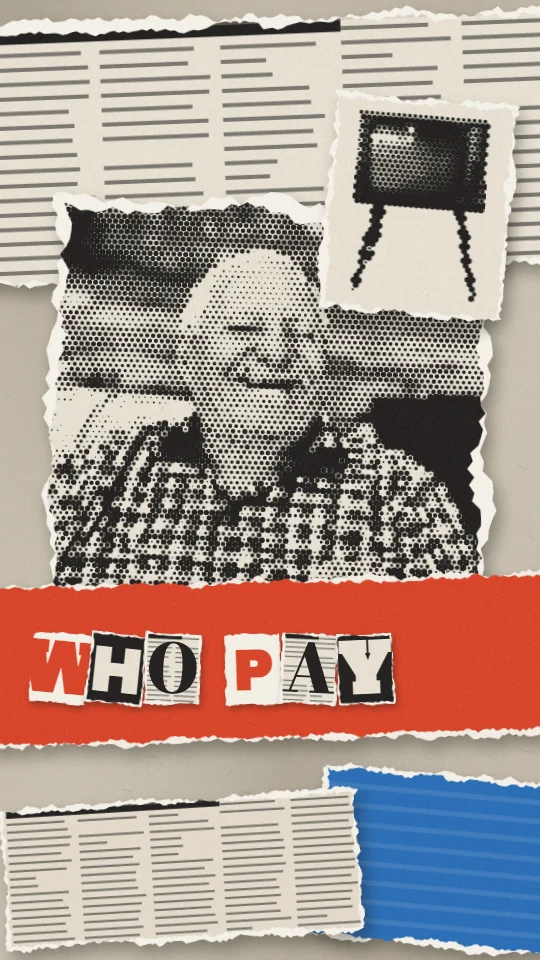
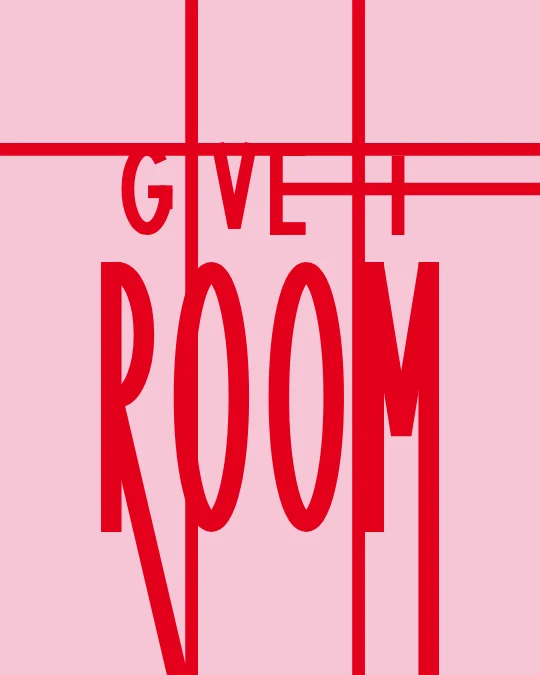
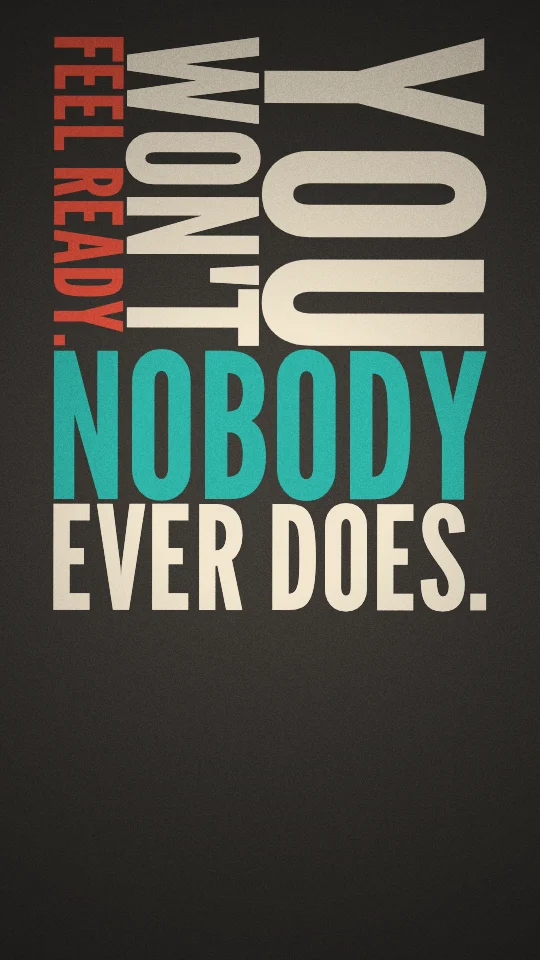
A speech built as a tight puzzle of words, each sized to fill its line, the camera turning to find the next.
Kinetic type · Medium
Preview is 4:5. Pick a shape to put it in the prompt; otherwise your AI asks you.
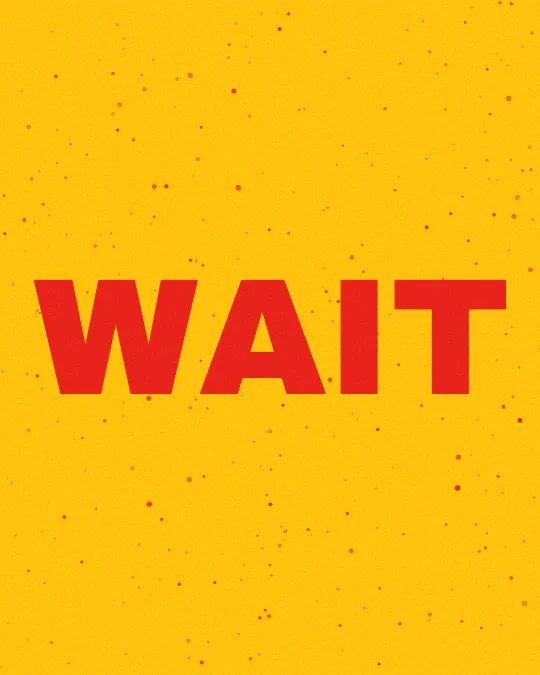
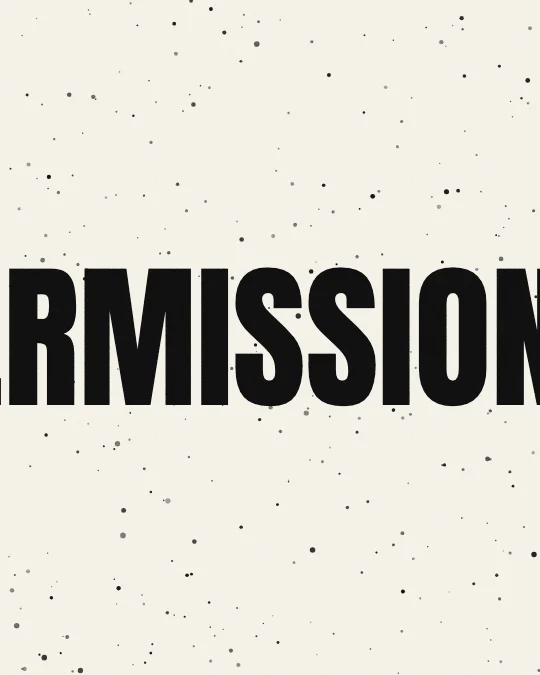


One heavy word per beat, hard cut, flat speckled colour.
Run most of the clip as full-frame single words on hard cuts, one per beat, cutting back to the speaker once or twice so the claim has a face.
Full scene: the scene fills the frame. Stock speaker from Pexels.
THIS IS A MOODBOARD, NOT A TEMPLATE. The style below is inspiration for the look and feel. Keep its materials, colours, textures and the way it moves, but invent your own scenes, characters and objects for this clip. You are not limited to anything shown in the preview, and nothing in it has to appear. Use illustration and animation to help tell the clip's story.

STORY FIRST. Read the whole clip before you design anything.
1. Write the clip's arc in one line: setup, tension, turn, pay-off. Name the one line that is the reveal.
2. Tag every sentence with its job: setup, context, tension, turn, reveal, example, number, contrast, list, quote, feeling, metaphor, callback, pay-off, aside.
3. The visuals carry the whole clip. If the clip shows the speaker's face, open on them (the first scene keeps them on screen) unless the person says otherwise. After that, never cut back to the speaker full-frame unless the person asks for it; if they do, only on the ending, never in the middle of an explanation. The speaker can still sit inside a scene (a corner, a split or drawn in) when the person wants to be seen.
4. Build one flowing visual story, not a new picture per sentence. Each scene covers a whole thought (one to three sentences), holds 3 to 8 seconds and turns into the next.
5. Start each scene on the first word of its sentence, or up to half a second before. Never cut mid-sentence.
6. Inside a scene, bring small details in on the words they show (an item, a tag, a tick). Earlier details stay.
7. Choose one or two recurring objects or characters in the first scene and bring them back changed. Callbacks beat new pictures.
8. Build up the same picture where you can (add to it, move the camera across it) instead of replacing it.
9. Energy: about 80 percent still, drifting or gentle. Allow one big move in the whole clip, on the reveal, for 1 to 2 seconds, then settle and hold.
10. Numbers sit on a scale (gauge, bar, table, timeline) and hold long enough to read. Contrasts are a still split or the same layout twice.
11. Feelings get a quiet image, or one of the cuts back to the speaker; never effects.
12. On-screen text names, labels or quotes; it never repeats the caption. Five words or fewer per label.
13. End every scene by settling or thinning out, or by turning into the next scene. No exit effects.
14. The style sets the look. These rules set when, how long and how calmly. If the style's own motion rules ask for more energy than this, use less.

VISUAL STYLE: Punch cut
Slice style ref: sref-JSP5E3
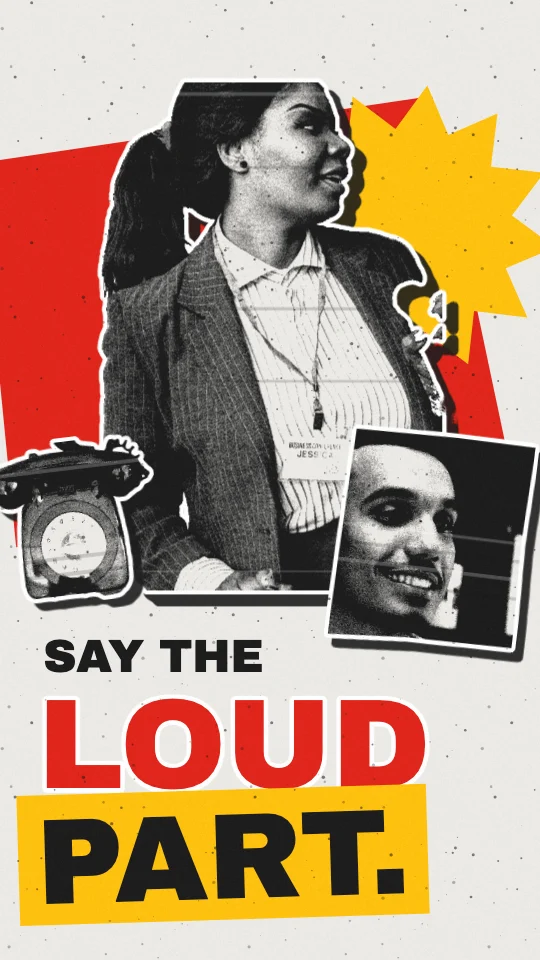
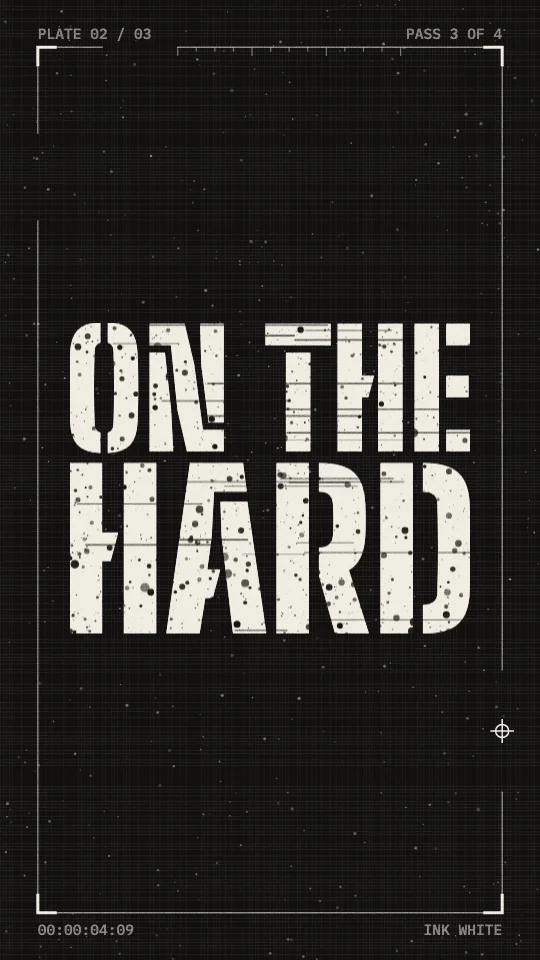
Look and motion: Punch cut. Flat grounds in only four colours, two per frame: #E8231B red, #FFC20E yellow, #111111 black, #F5F1E8 off white. Each ground is speckled with a few hundred 1 to 3 px dots in the type colour, plus fine grain. Light is flat; no gradients, no shadows. Type: one heavy grotesque word in capitals, either condensed or extended, filling most of the frame width; long words are set so big that the frame cuts them off and they creep slowly sideways. Motion: a hard cut on each spoken word, the new word entering in two or three frames with a slight scale and a short directional motion blur (a few faded copies), then holding with a very slow push. Colour pairs swap on some cuts. The camera is locked; only the single strongest word of the line gets one tiny shake on impact. Hold longer on the word that matters. The one rule: one word, one colour pair, one beat. Don'ts: no sentences on screen, no soft fades or easing, never more than two colours at once, no shaking on ordinary words.
Accent: as in the palette.
Frame shape: ask me before you start (9:16 vertical, 4:5 portrait, 1:1 square or 16:9 wide).
Energy: normal.

TECH: one HTML file, one GSAP 3 timeline created paused as window.__timelines.main, duration = the scene's length, transforms and opacity only.
For AIs: this style as plain text.
Need the clip first? Shorts by Slice cuts your long episode into captioned clips. Then give one this look.
Try Shorts by SliceShorts by Slice cuts your long episode into captioned clips. With Slice connected, your AI can then build scenes for a clip in Punch cut.
Shorts by Slice
From the team behind these free tools
One video. A week of posts.
Upload an episode and get back the moments worth posting, cut and captioned.